Q. What motivated you to choose the field of architecture?
A. My motivation to pursue architecture, interior design, and sustainability comes from a strong desire to create spaces that enhance human experience while respecting the environment. From an early age, I was drawn to spatial organization and the emotional impact that thoughtful design can have on people.
My background in Biotechnology Engineering gave me a scientific understanding of
environmental systems and how materials, energy, and ecosystems interact. This
perspective led me to view architecture not only as form or aesthetics, but as part of a larger environmental system.
By studying Architecture and Interior Design and later earning a master’s degree in
Sustainability and Environmental Systems in New York, I developed an approach that
integrates design, environmental responsibility, and human well-being.
For me, architecture is about designing with intention—creating spaces that support people while contributing to a more sustainable built environment.
Q. What type of work are you most interested in?
A. I am most passionate about residential, commercial, and hospitality design, particularly projects that integrate sustainability as a core strategy rather than an afterthought.
These typologies directly shape how people live, work, and connect. I believe they have
enormous potential to implement energy-efficient systems, biophilic design principles, and sustainable material innovation. My goal is to design spaces that feel emotionally uplifted while also reducing environmental impact and supporting long-term ecological balance. As a woman in architecture, I am especially interested in creating environments that are inclusive, human-centered, and thoughtfully designed for diverse communities.
Q. What has been your biggest challenge since obtaining your architecture degree?
A. One of the greatest challenges has been navigating diverse professional environments while advocating for sustainability-driven solutions. Each city has different regulations, climates, cultural expectations, and economic realities.
Implementing environmentally responsible design often requires education, negotiation,
and leadership. It demands resilience—especially as a woman in a field that is still evolving toward greater equity in leadership roles.
However, these challenges have strengthened my voice and reinforced my commitment to designing spaces that serve both people and the planet.
Q. What did you like about architecture school?
A. What I valued most was its interdisciplinary nature. Architecture blends science, art,
engineering, psychology, and environmental systems.
Studying both Architecture and Interior Design allowed me to understand space
holistically—from structural systems to the smallest interior detail. It trained me to think at multiple scales and to see sustainability not as a separate layer, but as an integrated design philosophy.
Q. Any criticisms of the architecture education experience?
A. Architecture education offers a strong foundation in conceptual thinking and creativity. However, as the profession faces urgent environmental and social challenges, I believe design education must continue evolving.
Future architects should be trained not only to imagine spaces, but to measure their
environmental impact, design with climate-responsive strategies, and understand the
economic and social systems that shape the built environment.
Strengthening these areas would be better to prepare architects to move beyond design as an isolated discipline and instead lead to meaningful, measurable change in how we build and inhabit the planet.
Q. What are your professional goals?
A. My professional goal is to lead sustainable design initiatives that redefine how cities grow and how communities interact with nature.
I aspire to contribute to regenerative architecture—projects that not only reduce harm but actively restore ecosystems. I also aim to mentor and empower other women entering architecture and sustainability fields, helping create a more equitable and visionary industry.
Growth, for me, is continuous. The built environment is evolving rapidly, and I am committedto evolving with combining scientific knowledge, environmental responsibility, and human-centered design.
Q. Who do you consider to be some of your favorite architects?
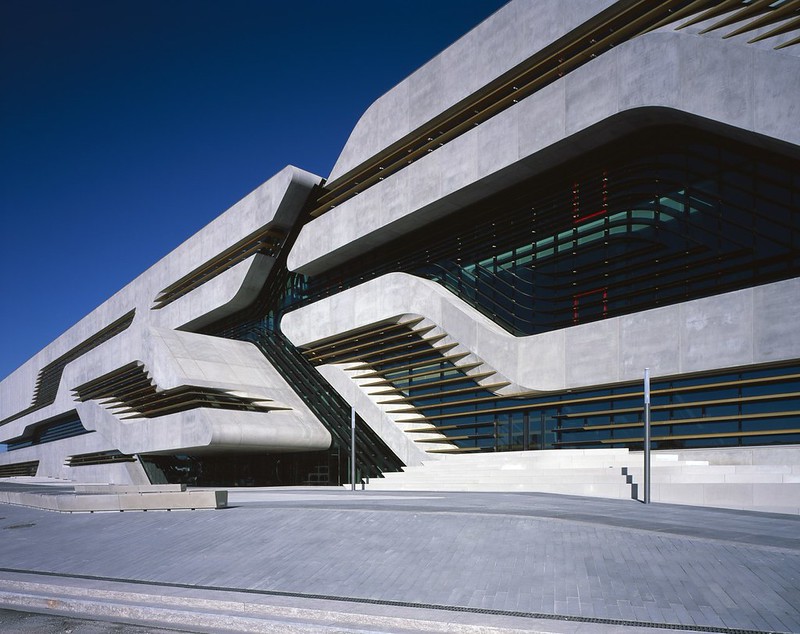
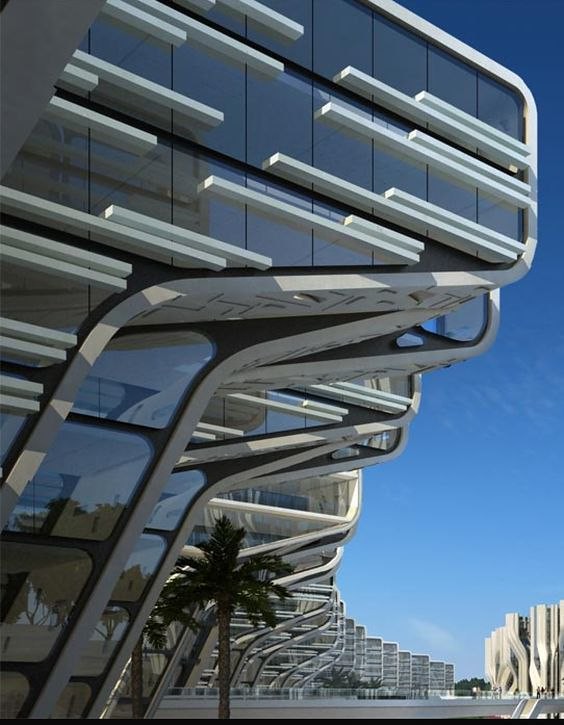
A. One of my greatest inspirations is Zaha Hadid. I admire her fearless exploration of fluid, organic forms and her ability to redefine architectural language on a global scale. She not only transformed contemporary architecture but also broke barriers in a traditionally male-dominated field, proving that innovation and leadership have no gender.
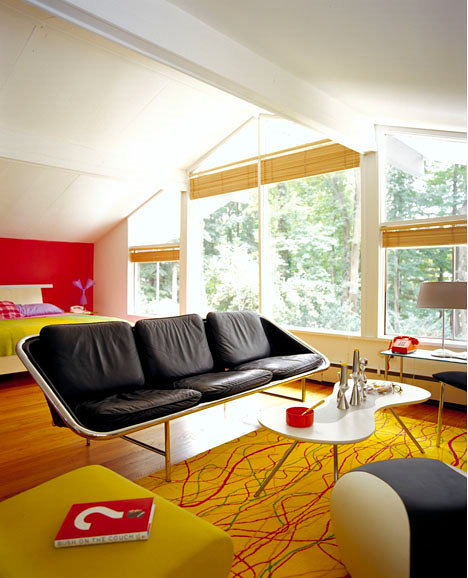
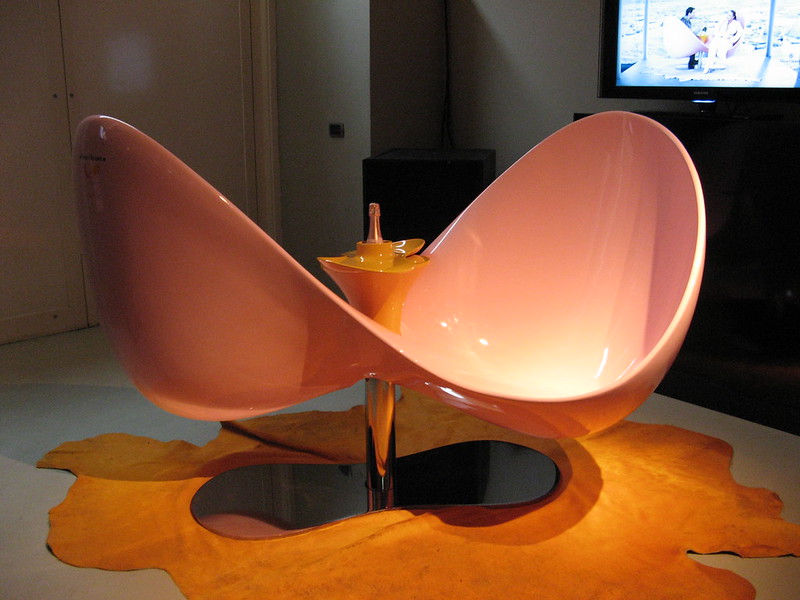
In the realm of interior design, I also admire Karim Rashid. His bold use of color and sculptural forms challenges convention and creates emotionally dynamic environments. His work demonstrates how strong identity and creativity can coexist with functionality and everyday life.
Q. Do you have a favorite building or city?
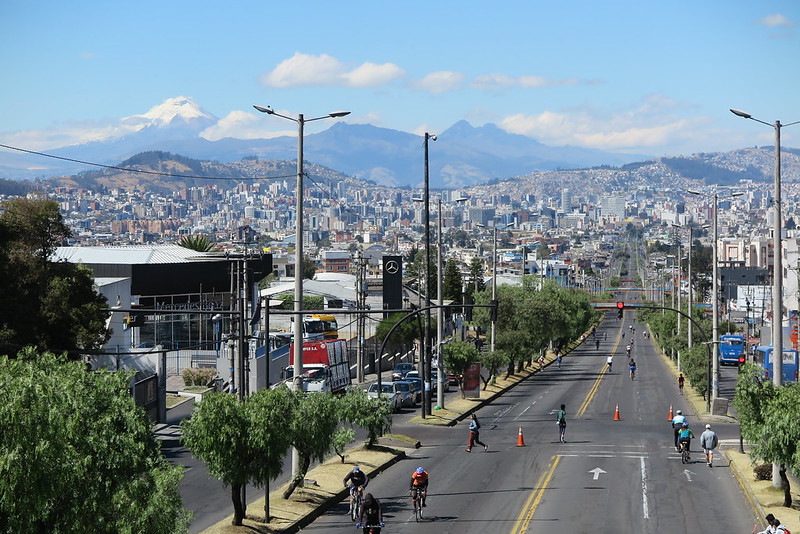
A. I am inspired by the architectural evolution of Quito in Ecuador which is the country that I was born, where contemporary development is increasingly integrating organic forms and environmental awareness within a dramatic natural landscape.
Living in New York City has also deeply influenced my perspective. The city’s architectural ambition—combined with growing sustainability regulations and environmental accountability—demonstrates how global cities can adapt and lead climate-conscious innovation.
Q. What do you hope to get out of your AIA Brooklyn Chapter membership?
A. Through the AIA Brooklyn Chapter, I hope to strengthen professional collaborations, expand sustainable design knowledge, and contribute meaningfully to conversations about climate resilience and equitable urban development.
I see membership not only as a networking opportunity, but as a platform for leadership—where I can continue growing, mentoring, and advancing environmentally responsible architecture within New York and beyond.