Q. What motivated you to choose the field of architecture?
A. My interest in architecture was shaped early on by my upbringing.
While my father was not directly involved in building design, he has
worked for a concrete company for as long as I can remember, so the
world of construction and the built environment was always present in
my life in some way.
Because of his work, we moved frequently, and I grew up living in many
different cities — Monterrey (where I’m originally from), Guatemala
City, Riga, San Juan, San José, Syracuse, and now New York City.
Although I didn’t fully realize it at the time, those experiences made
me increasingly aware of how spaces are organized and how culture
shapes the rituals of daily life. Observing how people inhabit and
interact with their environments across different places ultimately
drew me toward architecture.
Q. What type of work are you most interested in?
A. I am most interested in work that has a direct impact on people’s
daily lives. What draws me to architecture is the complexity of how
people live, move, and interact with the spaces around them. This
interest spans a range of project types; from the immediacy of
residential environments to larger-scale community and cultural
projects that shape collective experience.
Beyond programmatic considerations, I am also deeply interested in how
architecture expresses identity, particularly through the exploration
of vernacular design and its connection to place and culture.
Q. What has been your biggest challenge since obtaining your architecture degree?
A. There have been two primary challenges since earning my
architectural degree. The first has been adjusting to the realities of
professional practice and transitioning away from the level of
creative and academic freedom that is inherent in school. Learning to
balance design ambitions with the real-world constraints that are
outside of the scope of focus in school has been a significant shift.
The second challenge has been preparing for the ARE exams. They
require a great deal of discipline, consistency, and time, and at
times can feel like taking on a second job alongside full-time work.
Q. What did you like about architecture school?
A. What I liked most about architecture school is the way that it
taught us to approach problems. As opposed to there being one singular
answer, we were taught that the iterative process, failing fast (not
fearing failure at that), and an emphasis on the process are critical
to arriving at a solution. Aside from that, and somewhat cliche, is
the appreciation for the creative freedom that came with it. It’s
always easy to dismiss the gradautes that tell you to enjoy college,
but it’s really quite true.
Q. Any criticisms of the architecture education experience?
A. My only critisism is there not being much preparation for the real
world. While one of my favorite things about my time in university was
the creative freedom and general disregard for the real architectural
process, I do wish there was a way in which we could be a little more
prepared prior to being launched into the real world.
Q. What are your professional goals?
A. I aspire to one day be in a position where I can clearly express my
perspective on identity, place, and culture through design. I believe
I have a unique perspective, and that is valuable in a world where
everything is becoming increasingly generic.
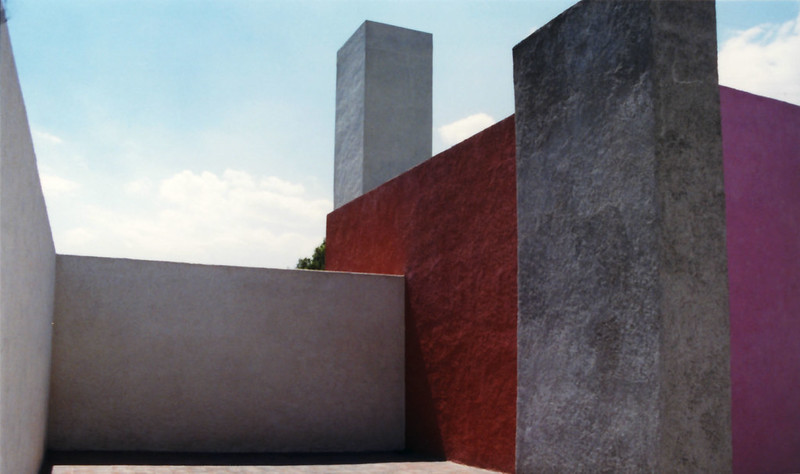
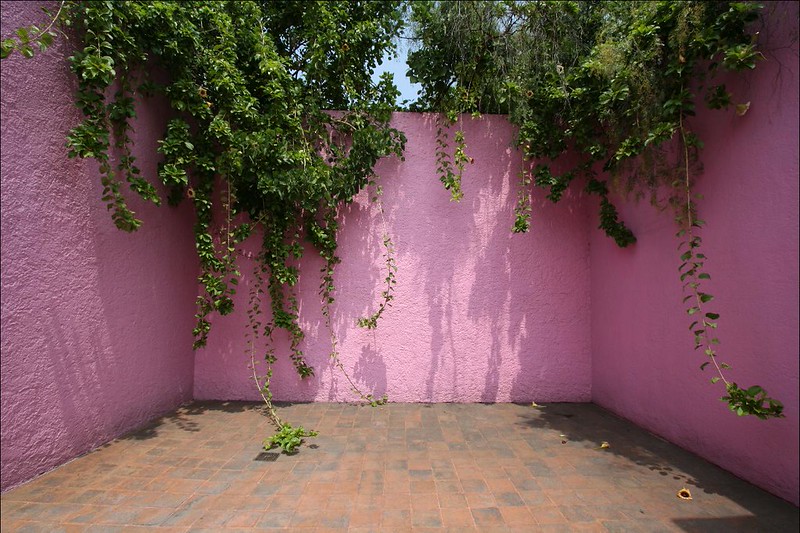
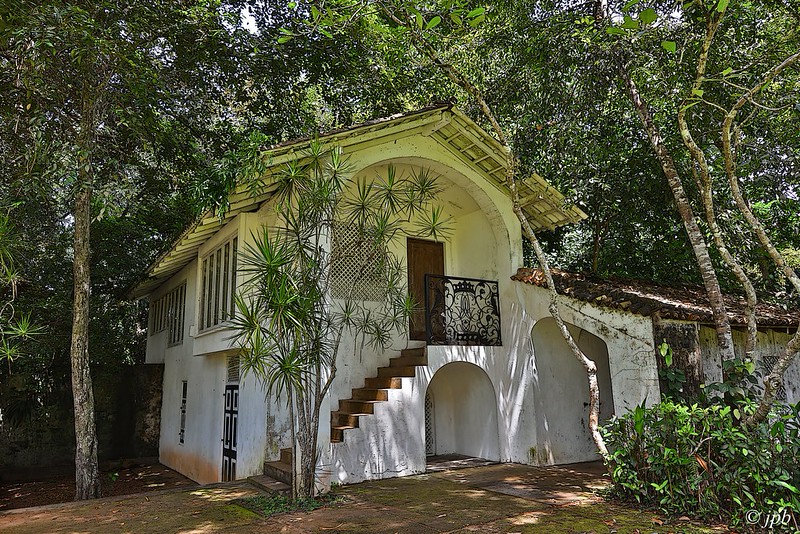
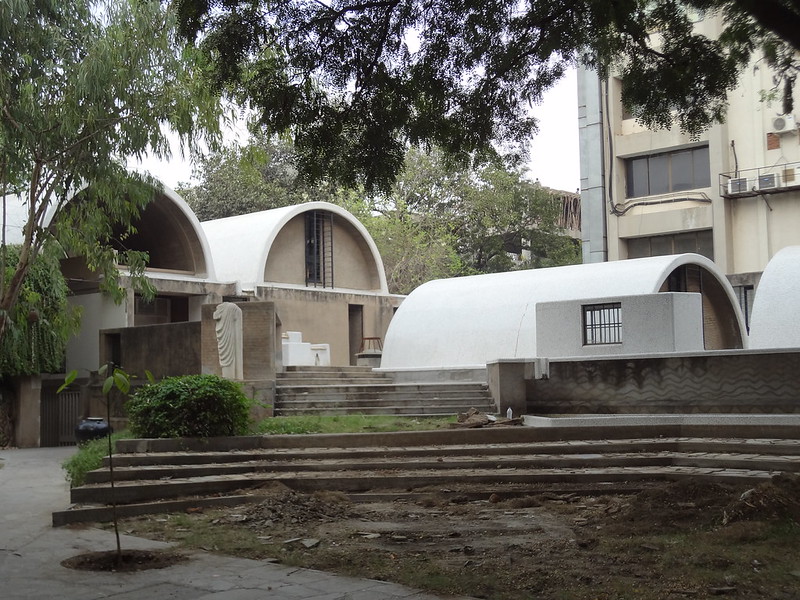
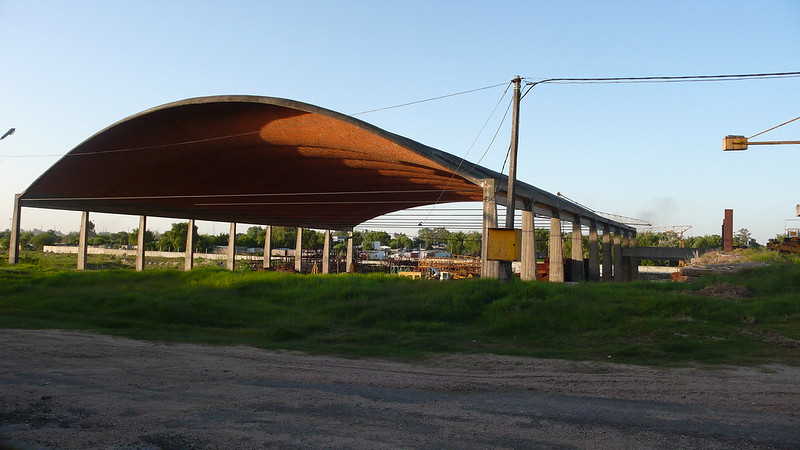
Q. Who do you consider to be some of your favorite architects?
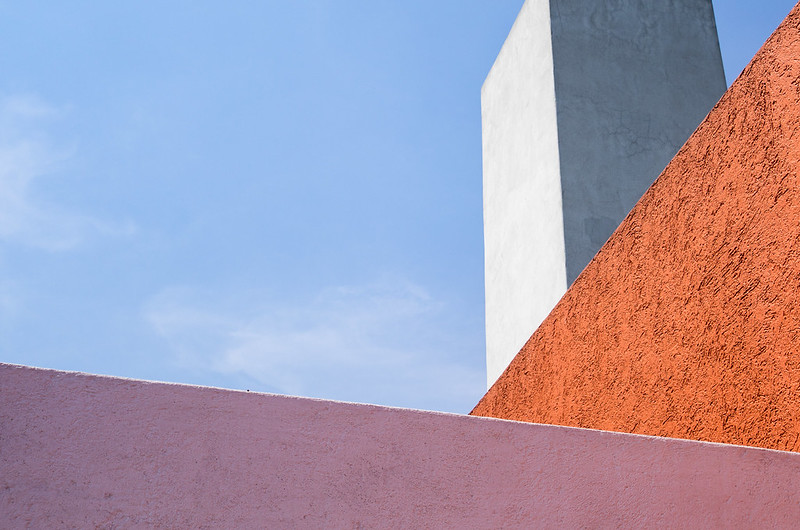
A. Some of my favorite architects include, but are not limited to:
Luis Barragan, Geoffrey Bawa, B.V. Doshi, Ricardo Bofil, and Eladio
Dieste.
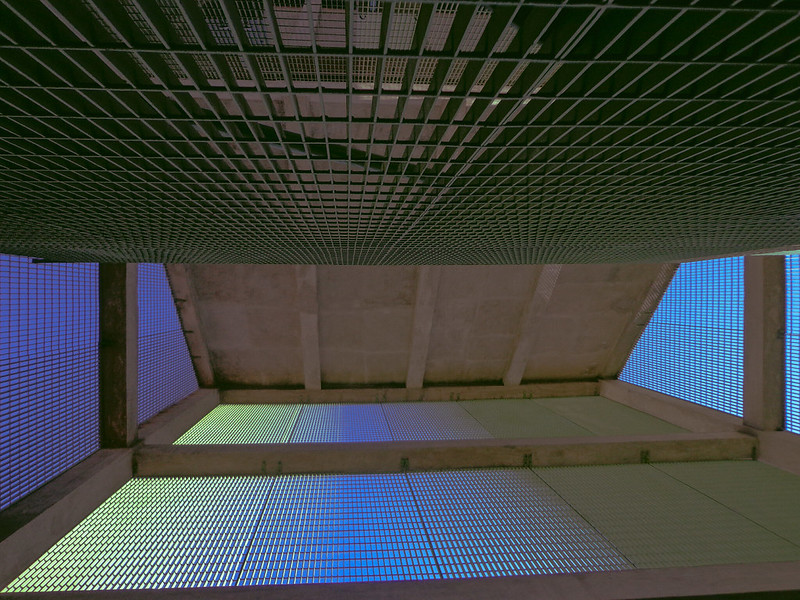
Q. Do you have a favorite building or city?
A. At the moment, one of my favorite buildings is Productora’s Laguna.
An excellent example of adaptive reuse that maintains a dialogue with
the existing context as opposed to ignoring it.
Q. What do you hope to get out of your AIA Brooklyn Chapter membership?
A. I hope to join a community where we as architects can celebrate,
and uplift each other.