Q. What motivated you to choose the field of architecture?
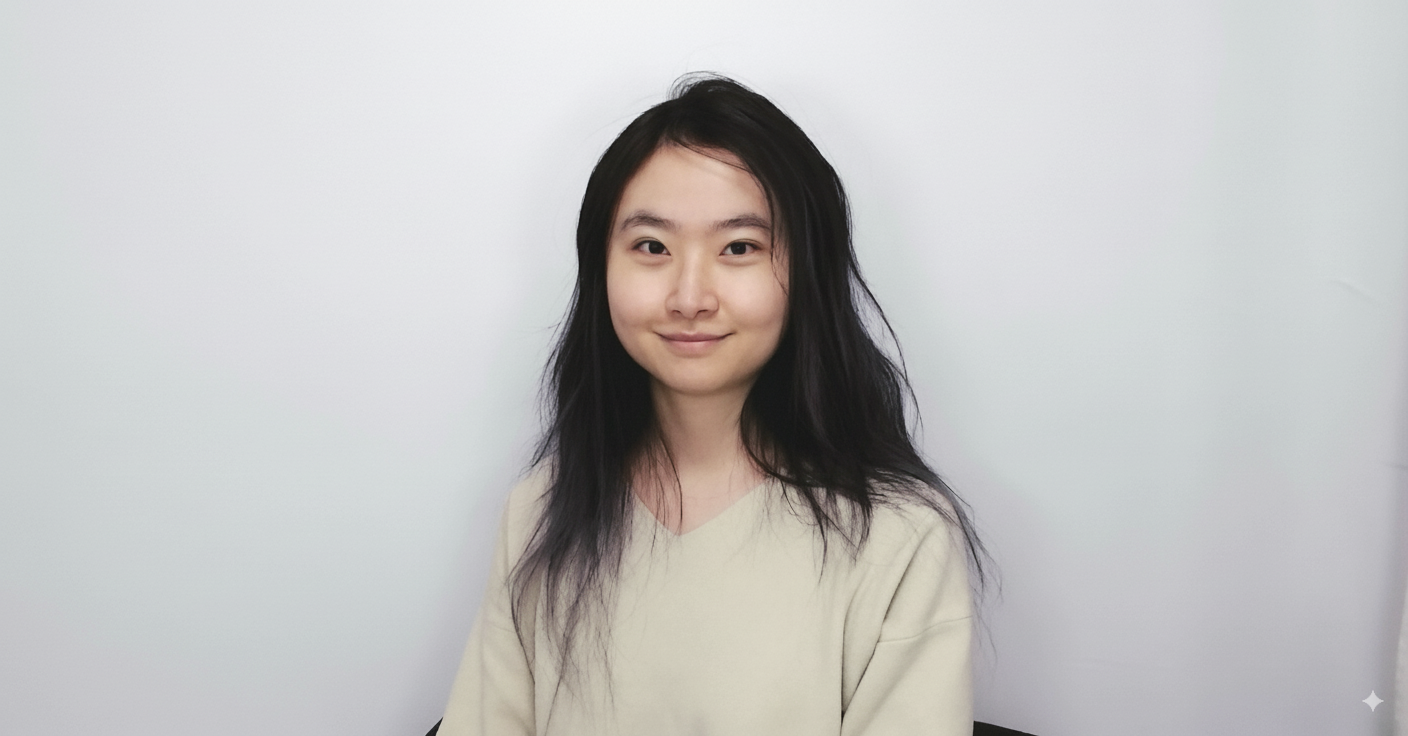
A. I began my studies in landscape architecture in college in China. Through that experience, I became increasingly interested in design discipline that allows more precise control over the built environment and results in tangible, long lasting impact. Architecture offered that balance of conceptual thinking and physical realization. Transitioning into architecture felt like a natural progression to me.
Q. What type of work are you most interested in?
A. While my recent projects focused on residential and hospitality projects, I do not see design as something limited to specific typology or scale. For me, architecture is a transferable way of thinking. I am most fulfilled when working on projects that engage broader community, where I can collaborate closely with users, respond carefully to their needs, and design spaces that allow flexibility and future adaptation rather than fixed outcomes.
Q. What has been your biggest challenge since obtaining your architecture degree?
A. Financial pressure and visa constraints have been the most immediate challenges. Architectural school can feel like a protected environment, almost utopian in its focus on ideas. After graduation, reality sets in quickly. That said, the school trained me to handle uncertainty, balance multiple stakeholders, stay calm under pressure, and remain proactive. Most importantly, it taught me to stay grounded in my own values. While the path has not been easy, I have learned how to manage complexity and maintain stability in my life and career.
Q. What did you like about architecture school?
A. I graduated from Washington University in St. Louis in 2022, and what I appreciated most was the opportunity to study architecture in a truly systematic way. Unlike short term boot camps, architectural education develops nonlinear thinking, intuition, logic, and resistance to simplification. It trains the mind to navigate ambiguity, connect disparate ideas, and build new ways of thinking. That long term cognitive development is something I value deeply.
Q. Any criticisms of the architecture education experience?
A. I am fortunate to be supported by inspiring professors and peers, but after leaving school, I became aware of the gap between academic training and the realities of practice. I enjoyed moving fluidly between ideas in school, and initially felt unprepared for the practical demands of real projects. Over time, I have come to see this gap as neither right nor wrong. It is something that many architects bridge through licensure and experience. Detours are part of the profession, and often they are what make a designer’s perspective unique.
Q. What are your professional goals?
A. I founded Yione Studio (https://yione.org/) in Brooklyn in 2023, and we have completed several restaurant renovation projects. Our work has been featured in multiple international architecture publications, which has been very encouraging. Moving forward, my goal is to be more grounded, to pursue built work, strengthen project delivery, and become more deeply involved in the local community. I am focused on translating ideas into realized spaces with last impact.

Q. Who do you consider to be some of your favorite architects?
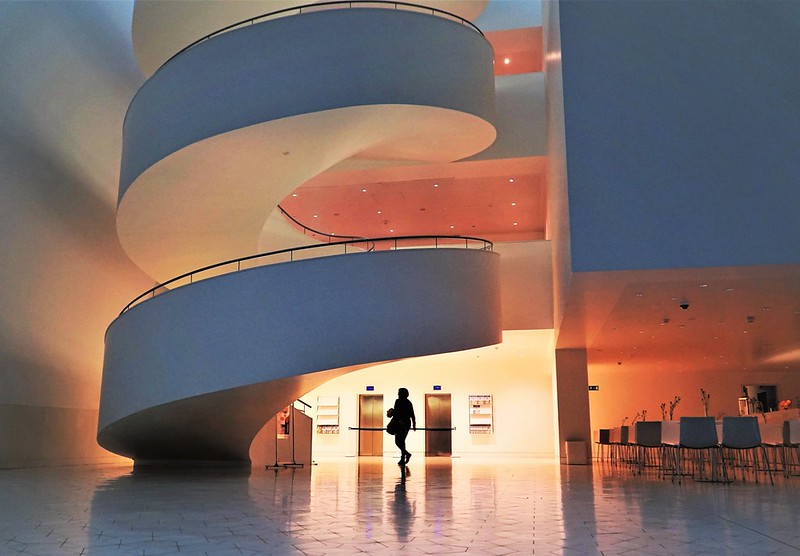
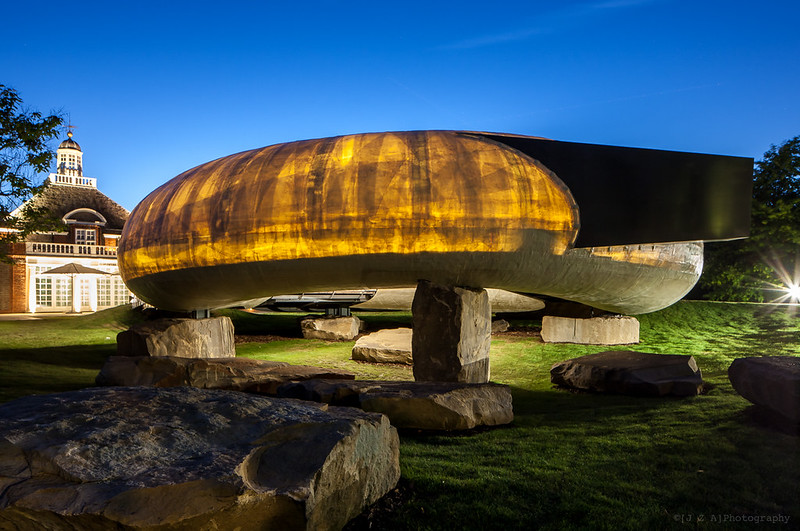
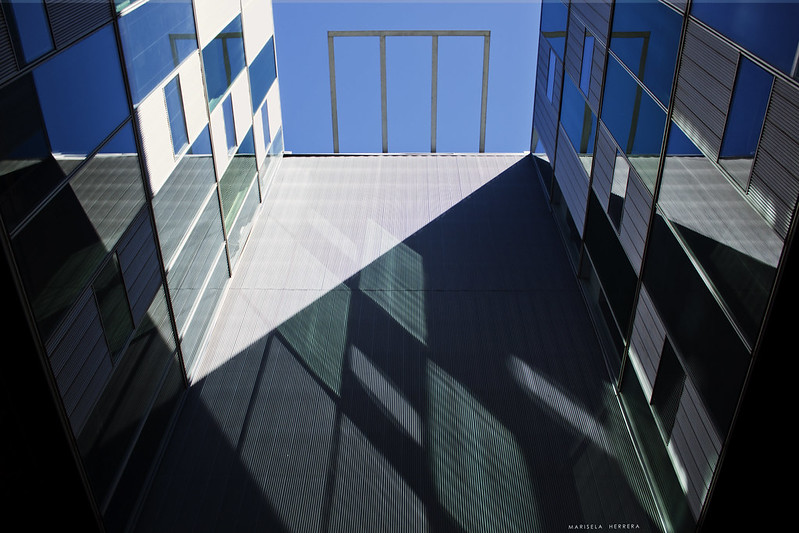
A. I believe there is something to learn from every architect. What I admire most is authenticity in tectonic thinking, a willingness to continually challenge oneself, and a commitment to creating contextual, human-centered spaces. Architects such as Barozzi Veiga and Smiljan Radic, who balance innovation with rigor and sensitivity to place, have always resonated with me.
Q. Do you have a favorite building or city?
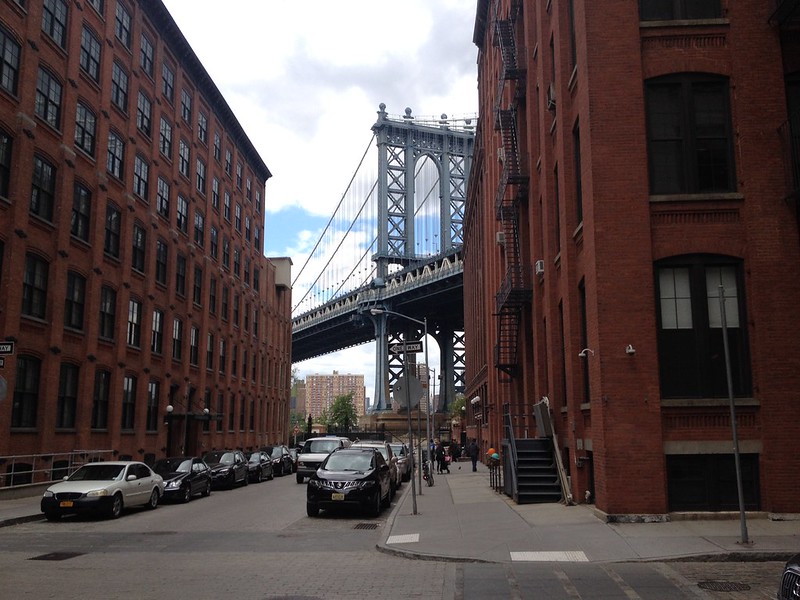
A. I have lived and worked in five different countries, but my favorite city is always the one I am living in. Otherwise, it becomes nostalgia rather than presence. At this moment, that city is Brooklyn. And for buildings, my favorite is always the next project. That mindset keeps me motivated to deliver my best work each time.
Q. What do you hope to get out of your AIA Brooklyn Chapter membership?
A. I hope AIA Brooklyn can serve as a platform that connects local architects with communities development initiatives and local built opportunities. I am proud to be based in Brooklyn. Its cultural diversities, layered history, and dynamic urban life continually inform my work. I believe many local architects are eager to contribute meaningfully to their neighborhoods, including through pro bono and community focused projects, and I would love to be part of that collective effort.