Q. What motivated you to choose the field of architecture?
A. My motivation came from a fascination with nature – its diversity of life forms and the way it shapes the environment around us. In the course of my studies, that curiosity grew into an interest in how architecture can bring together art, science, and human experience.
Q. What type of work are you most interested in?
A. I’m most interested in projects that bring together sustainability, cultural identity, and digital design. I’ve worked on housing, mixed-use, and public buildings, but I’m especially drawn to projects that shape meaningful urban and social spaces. I enjoy working where creative ideas meet technology — turning concepts into real, livable places.
Q. What has been your biggest challenge since obtaining your architecture degree?
A. One of the biggest challenges in my professional work has been balancing creative ambition with technical and building code requirements. Turning a concept into something buildable takes teamwork, precision, and patience. Working across different countries has also taught me to adapt quickly to new zoning codes and design standards while keeping the core idea of the design intact.
Q. What did you like about architecture school?
A. Architecture school encouraged creative freedom – it was a place to experiment with ideas and explore how design can shape communities. I appreciated the mix of theory, structure, and material studies that connected art and science. It also helped me develop a curious, analytical mindset that I still bring to every stage of the design process.
Q. Any criticisms of the architecture education experience?
A. I think architecture schools often focus more on conceptual design and expression than on the practical realities of the profession. There’s still a gap between design education and the real-world challenges of design – Building Information Modeling workflows, coordination, zoning regulations and sustainability requirements. Bridging that gap would better prepare young architects for professional practice.
Q. What are your professional goals?
A. My goal is to keep growing as an architect who can lead a project from the initial design stage all the way through to its technical completion. I want to work on projects that improve urban living and promote sustainable, responsible design decisions. In the long run, I hope to build a practice that combines research with digital innovation, and craftsmanship in architecture.
Q. Who do you consider to be some of your favorite architects?
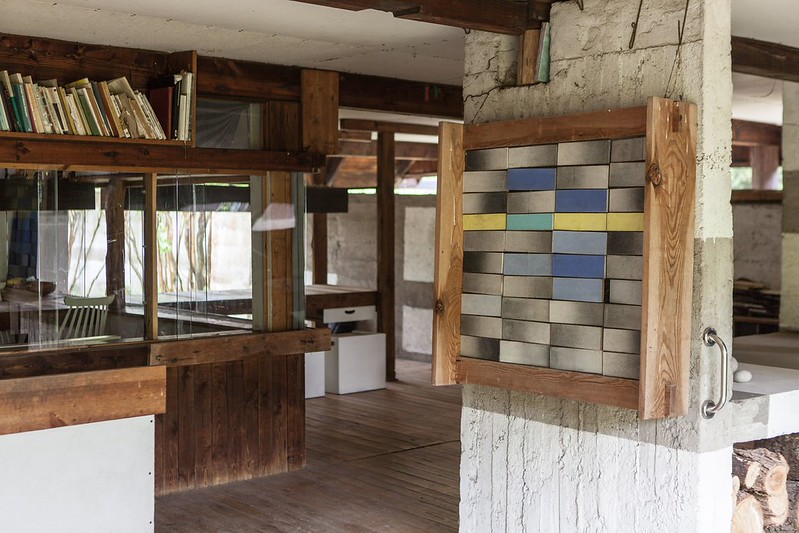
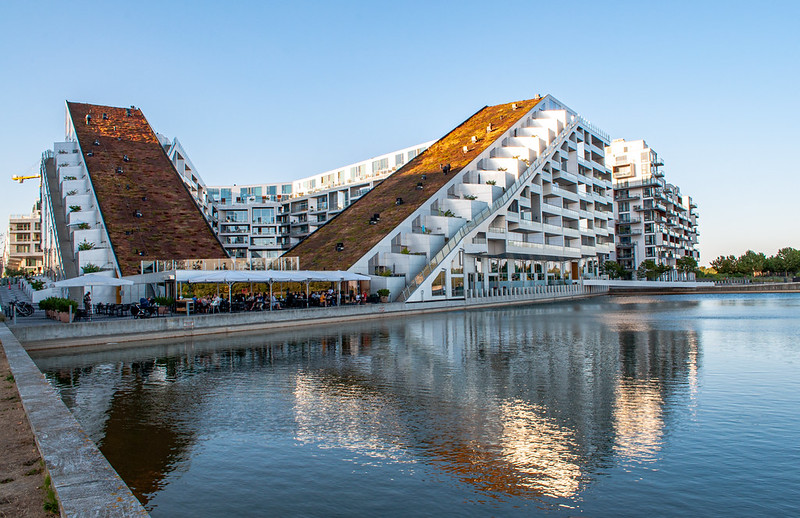
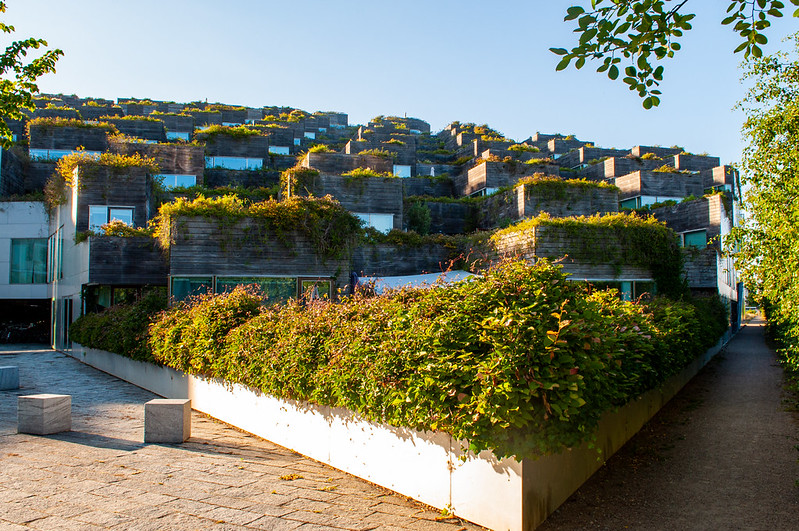
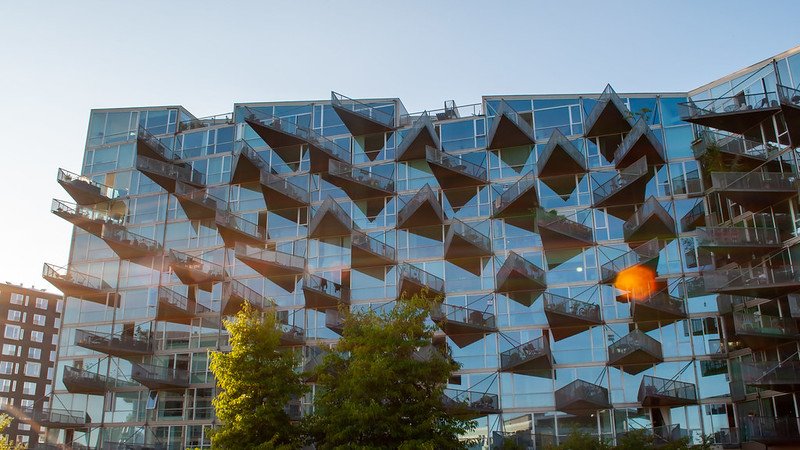
A. I’ve been inspired by the work of Félix Candela for his structural elegance, Oskar Hansen for his humanist modernism, and Bjarke Ingels for merging sustainability with contemporary urban vision. Each in their own way demonstrates how architecture can be performative and poetic.
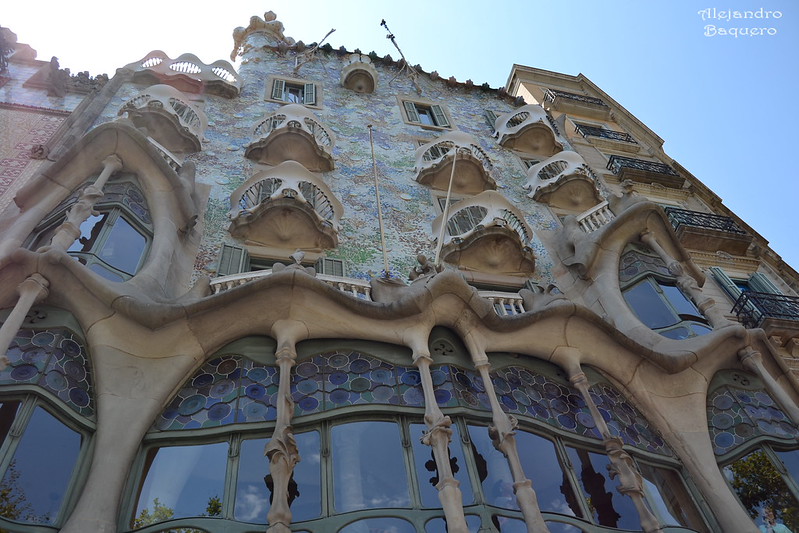
Q. Do you have a favorite building or city?
A. I’m deeply drawn to Barcelona – a city where architecture, art, and historical heritage coexist harmoniously. I’ve always been fascinated by Gaudí’s architecture, his structures bridge the past and the future. They carry a sense of romanticism in their organic forms yet feel visionary and futuristic in their construction.
Q. What do you hope to get out of your AIA Brooklyn Chapter membership?
A. I hope to be part of community that values collaboration, learning, and innovation. The AIA Brooklyn Chapter is a great place to connect with other architects, share ideas, and take part in conversations about the future of urban design and sustainability.