
Q. What motivated you to choose the field of architecture?
A. Initially, as a high school senior, I thought I’d continue competitively sailing in college, but I found myself spending more time in the studio than on the water. I grew up before the invention of the iPhone (thankfully), so I found myself sketching wherever I was – often drawing from observation.
Q. What type of work are you most interested in?
A. I’m interested in work that bridges architecture, entrepreneurship, and systems thinking. Rather than producing discrete objects (though I’m still drawn to that), I’m passionate about examining the temporal dimension of architecture, not just how materials move through space, but how they move through time.
Q. What has been your biggest challenge since obtaining your architecture degree?
A. After graduation, I worked for a residential practice specializing in passive house construction, but kept confronting this question: how can architecture operate at the scale of systems rather than services? I quickly became interested in building material circularity. The challenge was accepting that solving circular construction doesn’t happen at the drawing board, it requires building the data infrastructure, economic incentives, and logistics networks that make material reuse inevitable.
Q. What did you like about architecture school?
A. I graduated with a B.Arch from RISD in Providence, which is based on the Bauhaus model, where each freshman takes a series of required foundation classes regardless of major. By the end of your first year, you’re equipped with skills that propel you throughout your time at RISD. With seventeen different majors (sculpture, painting, film, etc.), you constantly receive critical feedback from peers who approach problems from different perspectives – a key asset as a designer. Additionally, I took entrepreneurship and communication classes at Brown University which fueled my right brain.
Q. Any criticisms of the architecture education experience?
A. When you’re 16, it’s hard to imagine committing to a five-year B.Arch degree, it can be daunting. However, an architectural education offers skills that can be applied to almost anything (which is hard to comprehend as a college freshman). That said, I wish architecture education more explicitly focused on the interaction between architects and the different stakeholders of the built environment (contractors, homeowners, developers, city planners, etc). The skills to design buildings are there, but the frameworks for how those buildings interact with larger economic and global systems could be strengthened. Very few regrets overall, though.
Q. What are your professional goals?
A. Ultimately, I want to prove that the future of architecture isn’t in designing better buildings, but in designing better systems for how buildings and materials circulate through time.
Q. Who do you consider to be some of your favorite architects?
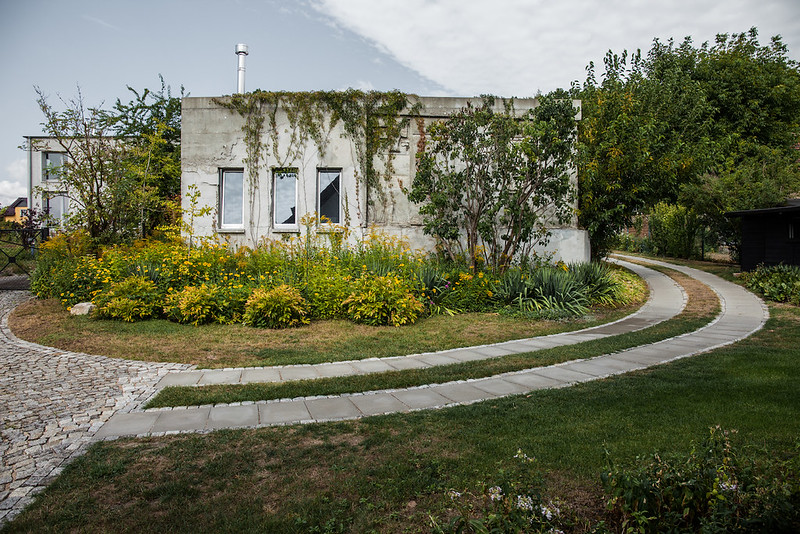
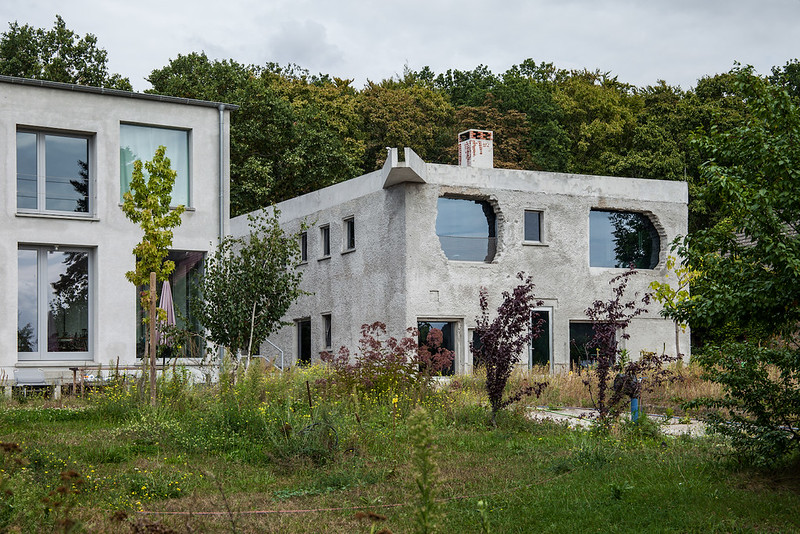
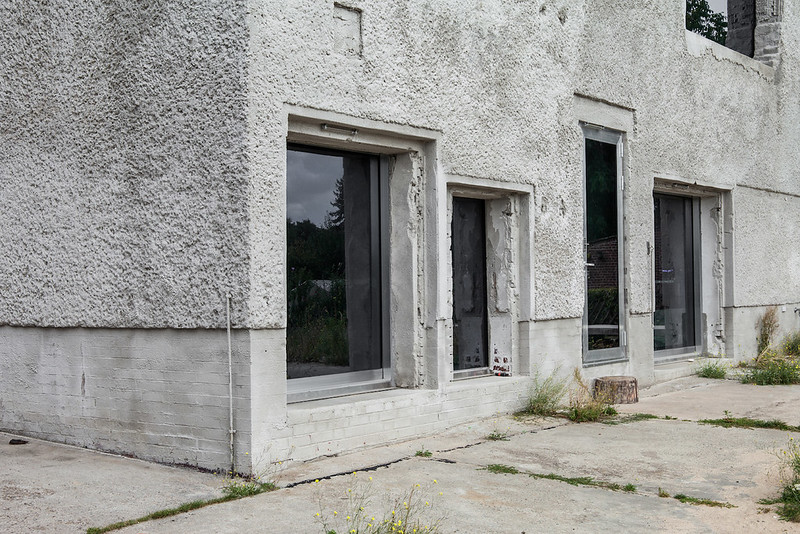
A. I had the opportunity to study at ETH Zurich for a semester during my time at RISD. I worked with the German professors Arno Brandlhuber and Olaf Grawert, who focused heavily on adaptive reuse and storytelling, one of my favorite buildings from them is the Antivilla. I’m generally interested in projects that tell a story or focus on a clear concept (some random projects I’m currently thinking about: Hill House Box by Carmody Groarke, Four Car Parks by Christian Kerez, Best’s “Tilt” Showroom by SITE ) simple narratives that make big impacts.
Q. Do you have a favorite building or city?
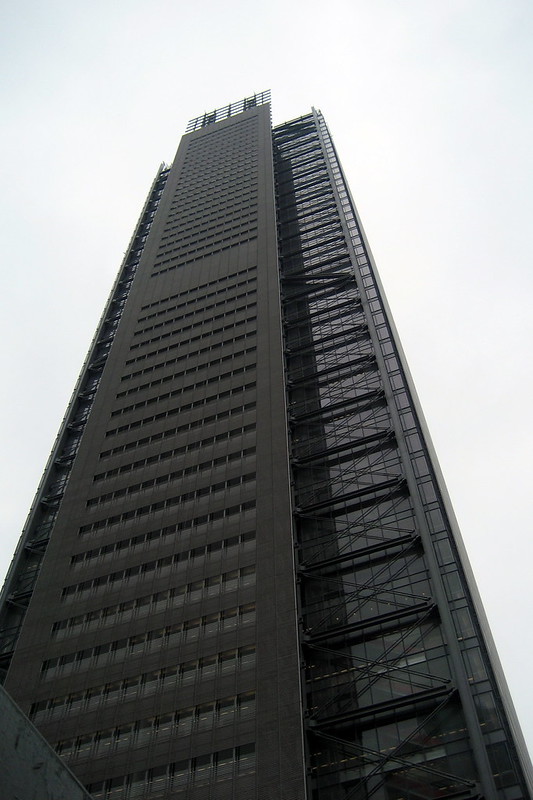
A. Probably the New York Times Building by Renzo Piano.
Q. What do you hope to get out of your AIA Brooklyn Chapter membership?
A. I hope to connect with practicioners who are thinking beyond traditional service delivery methods, and meet new folks in the community. Cheers!