Q. What motivated you to choose the field of architecture?
A. I was interested in architecture and spaces from a young age. My dad is a developer in my hometown, Memphis, TN. He has worked on redeveloping downtown Memphis for my whole life, so we would get to explore the abandoned buildings that would be redeveloped. From there, I pursued historic preservation in undergrad, and my love for architecture continued to grow. I’m fascinated and passionate about the process of designing and creating physical space that is contextual, meaningful, and sustainable.
Q. What type of work are you most interested in?
A. The work that has driven my passion and continues to this day are adaptive reuse projects. Combining historic preservation and architecture, reuse projects also, to me, offer a unique chance to create something new out of something old – utilizing historic and contextual details, materials, and spaces is really exciting to me.
Q. What has been your biggest challenge since obtaining your architecture degree?
A. Honestly, staying in a traditional architectural role. After I graduated, I worked in a small residential firm that was not the best fit. After about 8 months, I began to look elsewhere and have ended up migrating to a company, DBI Projects, doing project management and owner’s rep work. Not only was the job market not terribly strong when I was looking at design firms, but the opportunities I found outside of traditional architecture provided a more unique opportunity.
Q. What did you like about architecture school?
A. I attended Tulane University for my architecture degree, and beyond just the chance to immerse myself in architecture, design, etc., there are two things I’d like to highlight. My 2nd summer, I received a grant to travel to Sao Paulo, Brazil to study adaptively reused community spaces. I was able to meet with several architectural firms, including Brasil Arquitectura, and tour/document/enjoy several community spaces around the city. The experience was incredible. Secondly, my final year at Tulane, I participated in the urban build program – a residential design/build program that the school has been doing for many years now. We ended up designing and building a modular, prefabricated tiny home that was implemented in New Orleans’ Lower Ninth Ward. I’m happy to talk more about it, but it has been the most meaningful and impactful moment of my architectural career thus far.
Q. Any criticisms of the architecture education experience?
A. One of Tulane’s strengths, for me, was that the design studios were very much based in reality and local context. We had to design with existing environmental and built conditions, and so I throughouly enjoyed that. On the other hand, I do not believe we were adequately prepared for the professional world whatsoever, nor the business of architecture. There were a couple of classes, but exploring more the professional practice and the business of architecture would have been nice.
Q. What are your professional goals?
A. Eventually, I would like to run my own business. I’m not sure if it would be a traditional design firm, but incorporating architecture and/or the creation of space is crucial to me. For now, as a project manager/owner’s rep, I am able to learn about the business of architecture and how a whole project comes together.
Q. Who do you consider to be some of your favorite architects?
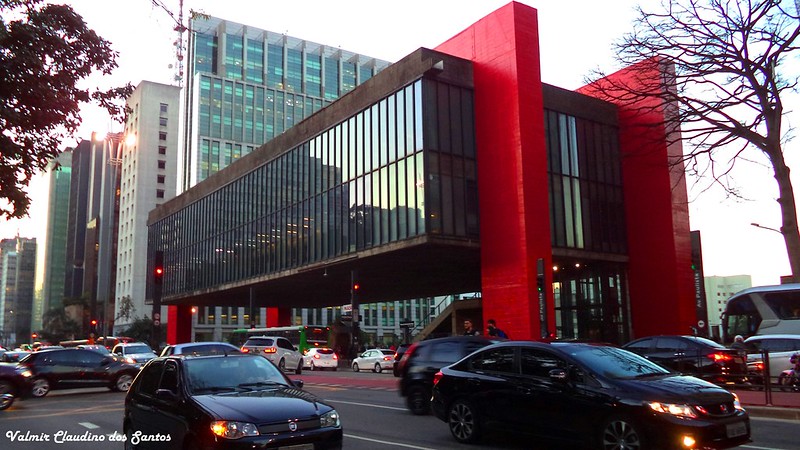
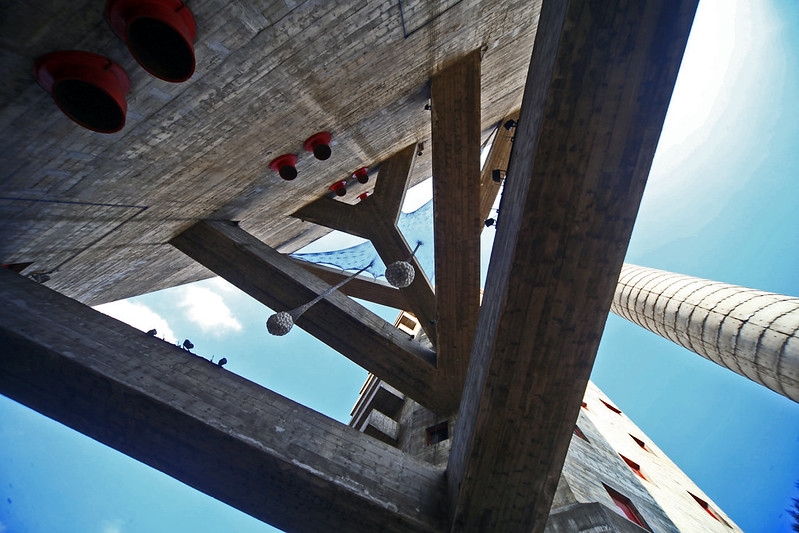
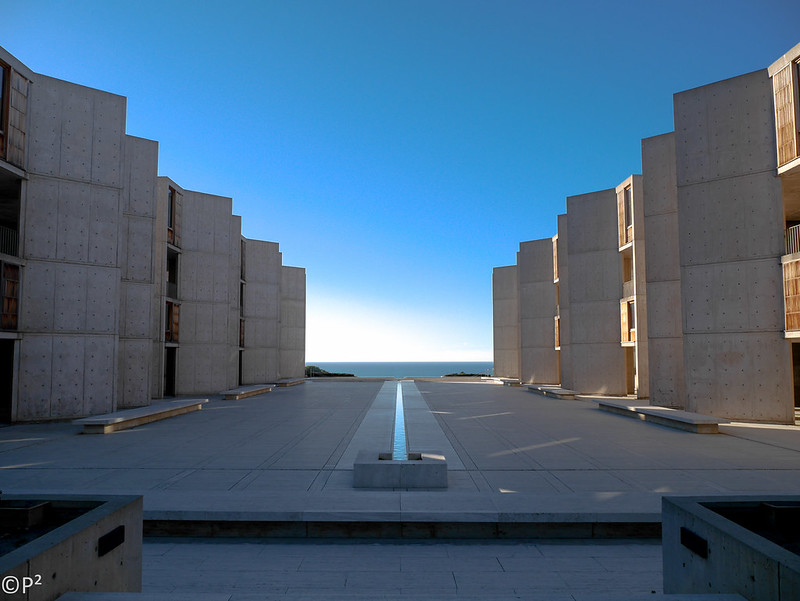
A. Louis Kahn and Lina Bo Bardi
Q. Do you have a favorite building or city?
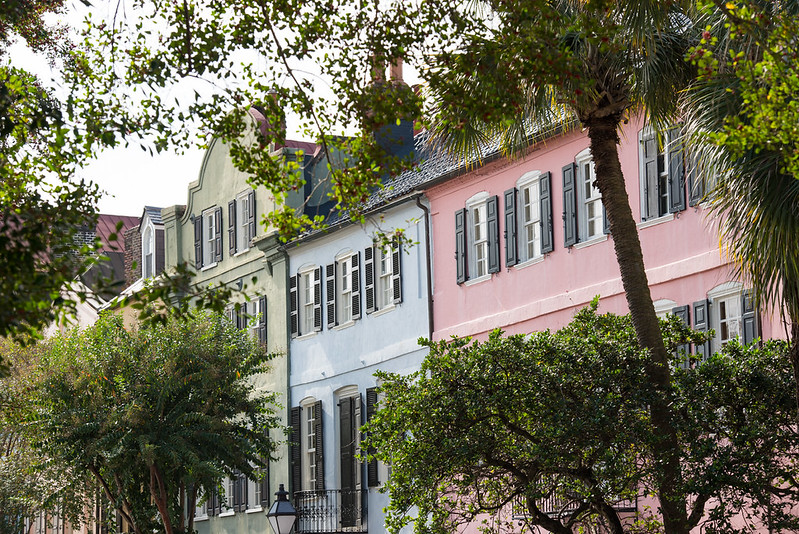
A. An impossible question! While in Sao Paolo, I spent a large amount of time at Lina Bo Bardi’s SESC Pompeia – so I’d say that building/complex is my favorite. As for a city, either Barcelona or Charleston.
Q. What do you hope to get out of your AIA Brooklyn Chapter membership?
A. Not only attending events, but also getting a chance to meet other AIA members in Brooklyn. I’d like to get more involved in my immediate community, and I’m hoping this is a path to that.