Q. What motivated you to choose the field of architecture?
Growing up I gravitated towards classic PBS shows like This Old House and The New Yankee Workshop that featured craftspeople engaged in creating our built environment. On family trips to Vermont we often visited a bookshop – the kind of charming, out of the way place where you could get lost in the stacks for hours. I found a book there called “Apprentice to Genius: Years with Frank Lloyd Wright” written by Edgar Tafel about his time in the Taliesin Fellowship. I read it and had more or less made up my mind that architecture was my future.
Q. What type of work are you most interested in?
My first job in 2010 was at a firm in New Jersey that focused primarily on K-12 schools and tenant fit-outs. I was placed on the corporate interiors team and mentored by an NCIDQ-certified interior designer, which instilled a love of interior architecture. Since moving on from that office, I’ve had the privilege of working on a few ground-up multi-family and landmark buildings, but I keep coming back to commercial interiors as my niche in the industry.
Q. What has been your biggest challenge since obtaining your architecture degree?
Learning how to multitask and manage multiple simultaneous projects with different clients, consultants and contractors on each. Every project is unique, and every team has different communication styles and expectations. Something that works great with one may not with another. Listening and being adaptable to the needs of the project at hand is a learned skill that is critical to success in this field. It’s always bittersweet when a project with a great team ends and everyone goes their separate ways.
Q. What did you like about architecture school?
The collective camaraderie of everyone striving for a common goal. Attempting to describe architecture school to those who haven’t gone through it is a bit like trying to repeat a great comedy bit; you have to be there to understand it. I have since gone back to teach at my alma mater as an adjunct and gained a great deal of respect for our instructors who were clearly putting in a lot of work behind the scenes that we never saw or understood.
Q. Any criticisms of the architecture education experience?
It has been a while and the world of education has come a long way since I graduated. However, I never enjoyed the “work till you drop” culture of constant all-nighters and burnout. I always tell my students to make sure they get proper sleep, architecture will be here in the morning. Sometimes I acknowledge that’s not always possible and there is still room for improvement in the work/life/school balance that students are expected to figure out on their own. A more robust mentorship program during school would be a welcome addition.
Q. What are your professional goals?
To grow my project management toolkit, advance my technical knowledge and provide for my family.
Q. Who do you consider to be some of your favorite architects?
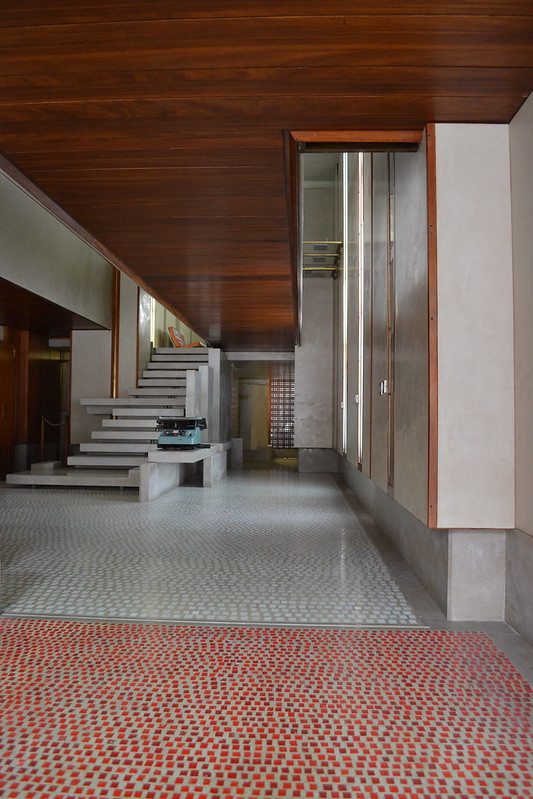
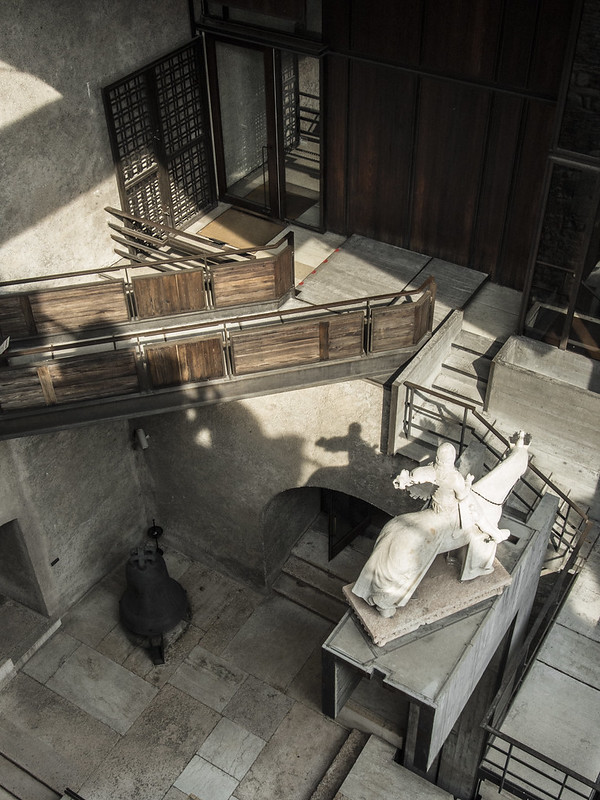
I travelled to Venice last fall and visited many of Carlo Scarpa’s works. I had seen them in books of course but to visit the Olivetti Showroom and Querini Stampalia in person was incredible. I was also lucky enough to function as project lead on the renovation of Bell Works in Holmdel, NJ – Eero Saarinen’s Bell Labs facility. That his planning concepts still work for modern office and tech companies (and the mysterious HQ for fictional company Lumon on Sevarance!) is a testament to his vision.


Q. Do you have a favorite building or city?
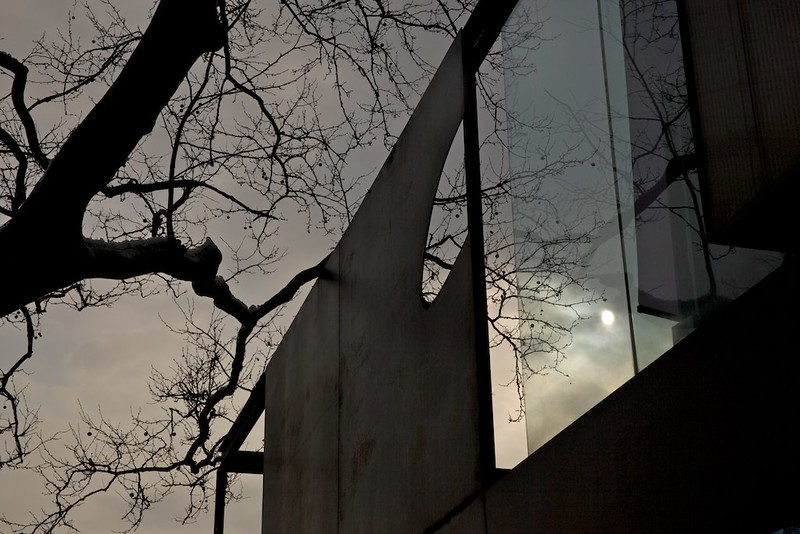
In New York, it’s the Jim Kempner Gallery on 23rd & 10th ave. Wonderful use of materials and space in a small building. I have also gained a newfound respect for the Beaux Arts masters and medieval cathedral-builders in researching my fall elective on Historic Preservation.
Q. What do you hope to get out of your AIA Brooklyn Chapter membership?
Expanding my network and contributing to the vibrant community of New York architecture.